

Online casinos have become a natural part of digital entertainment, offering players instant access to games that once required physical venues. The appeal lies not only in the games themselves, but in how online casinos are structured to fit modern lifestyles. Availability, flexibility, and ease of use are just as important as the casino content.
How online casinos are built
An online casino is designed as a self-contained digital environment where games, payments, and user interaction are integrated into a single platform. Every element is optimized to reduce friction, allowing players to move smoothly between games, manage funds, and adjust settings without interruption.
Unlike traditional casinos, online platforms are not limited by physical space. This allows for a much wider game selection and frequent updates, keeping the experience fresh over time.
Accessibility across devices
One of the defining features of online casinos is accessibility. Games are developed to function consistently across desktops, tablets, and smartphones. This cross-device compatibility means players can switch between devices without changing how the casino feels or performs.
Mobile access has particularly shaped online casino habits, as shorter and more flexible sessions have become the norm.
Game variety and player choice
Online casinos typically offer a broad range of games to accommodate different preferences. Fast-paced games appeal to players who enjoy quick interactions, while slower formats suit those who prefer a more measured experience.
The ability to choose between different game styles, pacing, and visual themes gives players control over how they engage with the platform. This freedom is a key reason why online casinos continue to attract a wide audience.
Payments and flow
Payment systems are a central part of the online casino experience. Smooth deposits and withdrawals allow players to focus on gameplay rather than administration. When transactions are efficient and transparent, trust in the platform increases and the overall experience feels more balanced.
Clear transaction histories and simple fund management tools also help players maintain awareness of their spending.
User experience and design
Design plays a major role in how online casinos are perceived. Clean layouts, intuitive navigation, and responsive interfaces contribute to comfort and ease of use. A well-designed casino does not overwhelm the player, but instead guides them naturally through its features.
This focus on usability reduces frustration and encourages longer, more relaxed sessions.
Online casino habits and responsibility
Because online casinos are always available, player habits differ from those in physical environments. Sessions are often shorter but more frequent, making awareness and self-regulation important. Setting personal limits and taking breaks helps ensure that online casino play remains enjoyable.
When players approach online casinos with intention rather than impulse, the experience becomes more sustainable.
Learning more about online casinos
Players who want to better understand how online casinos operate and how different elements work together often turn to informational platforms. One such resource is ibetcasino.nu, which explores online casino topics with a focus on structure, accessibility, and player experience.
Online casino as digital entertainment
Online casinos are no longer defined solely by gambling. They are interactive digital platforms shaped by technology, design, and user behavior. When viewed as entertainment environments rather than outcome-driven systems, online casinos offer flexible and engaging experiences suited to modern digital life.

Notre service client
Nous sommes disponibles du Lundi au Samedi de 8h à 19h et les dimanches de 9h à 12h. Pour une meilleure prise en charge du service client nous somme joignable au 33 832 08 71 !
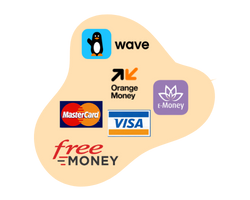
Nos Moyens de paiement
Nos moyens de paiement local acceptés: Orange Money, wave, Free Money ect ... des difficultées au niveau du payement ? Contactez le service client